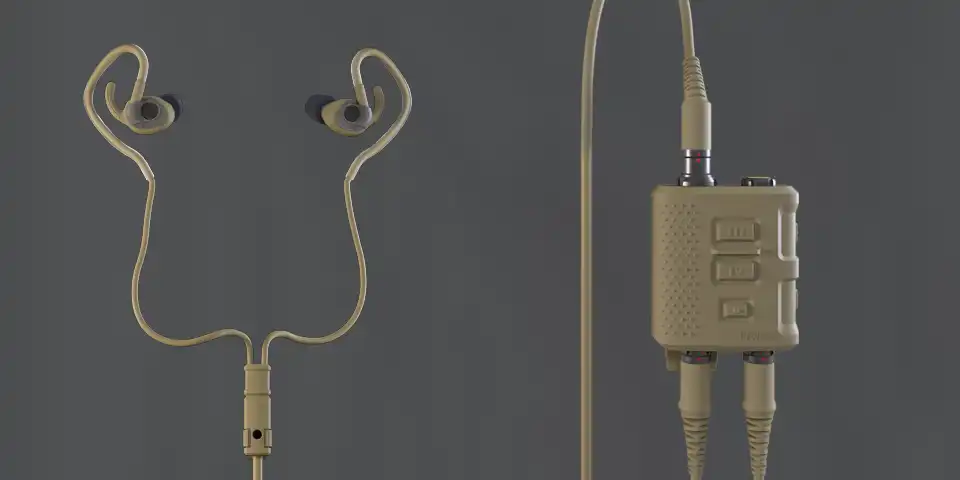



Remote medical teams often rely on separate radios, cameras, tablets, mobile phones, medical sensors, batteries, and network connections to support treatment and coordination. Managing these disjoint systems increases complexity and operational risk. Research shows that 50% of responders experience recurring communication delays and 35% face power reliability challenges, adding friction when attention should remain on the patient.
Sources: SOTI, Digitizing the Frontline: Transformative Technologies in Critical Care (2024); National Library of Medicine (2025).

The INVISIO H-series integrates power, data, and communications across devices into one body-worn system. Radios, cameras, tablets, mobile phones, sensors, and networks work together through a common platform, reducing complexity while enabling reliable information sharing across teams and remote specialists.
Read more on H-Series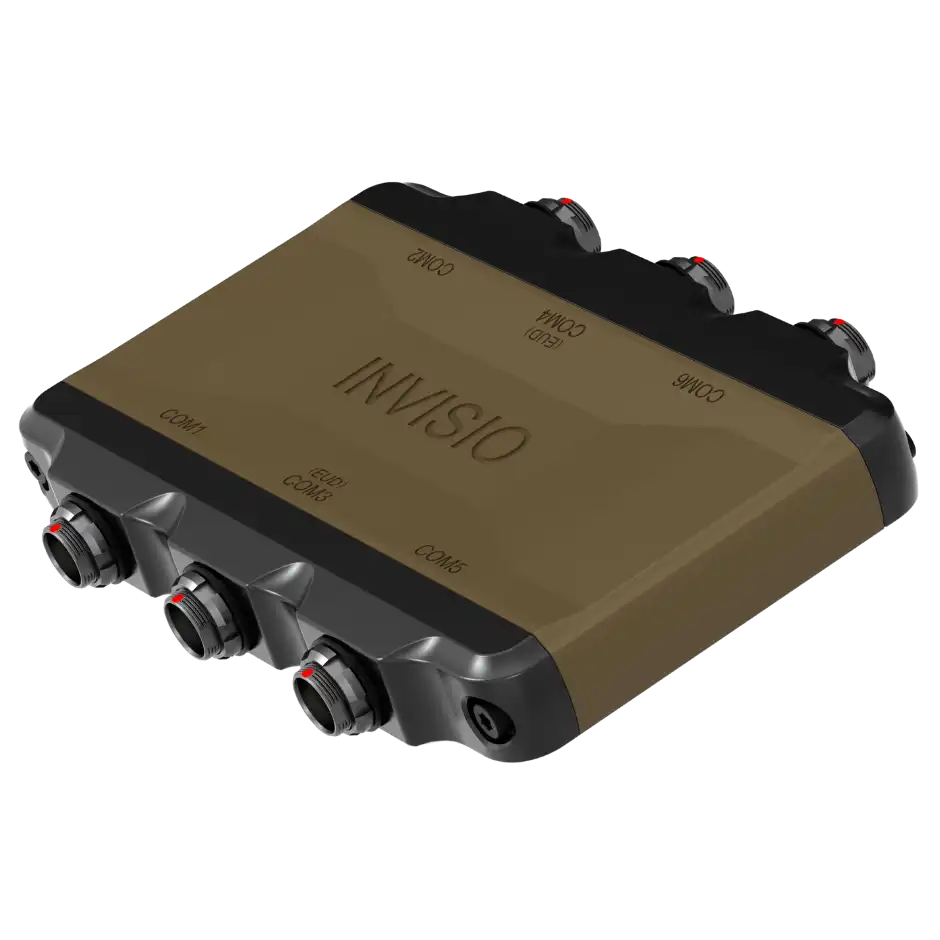
With fewer devices to manage and more reliable connectivity, medical teams can concentrate on assessment, treatment, and coordination. Video, vital signs, and patient information can be shared more efficiently, helping clinicians make faster, more informed decisions in critical situations.
Remote medical support flyer